Empowering Maasai girls to shape their own lives

Female Genital Mutilation (FGM) is another pressing issue among the Maasai. FGM, involving the partial or total removal of external female genitalia, is considered an essential rite of passage into womanhood and marriage readiness. Though FGM is illegal in Kenya and Tanzania, it is still practiced in many Maasai communities. FGM poses severe health risks, including infections, chronic pain, and complications during childbirth.
One significant challenge for Maasai girls is limited access to education.
Traditionally, girls are expected to marry, often as young as 12 or 13. Families of girls arrange marriages to older men for doweries of livestock (several cows or larger numbers of sheep and goats). These doweries help support the family, a practice deeply embedded in Maasai culture.
This preference for dowries over education deprives girls of educational opportunities, reinforcing cycles of poverty and limiting their autonomy.
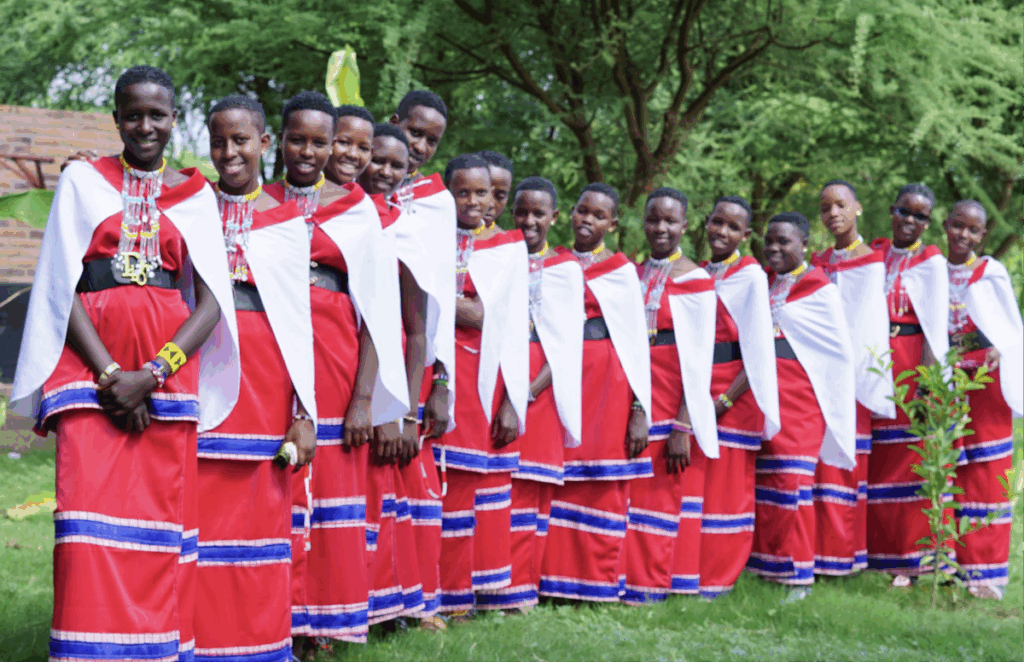
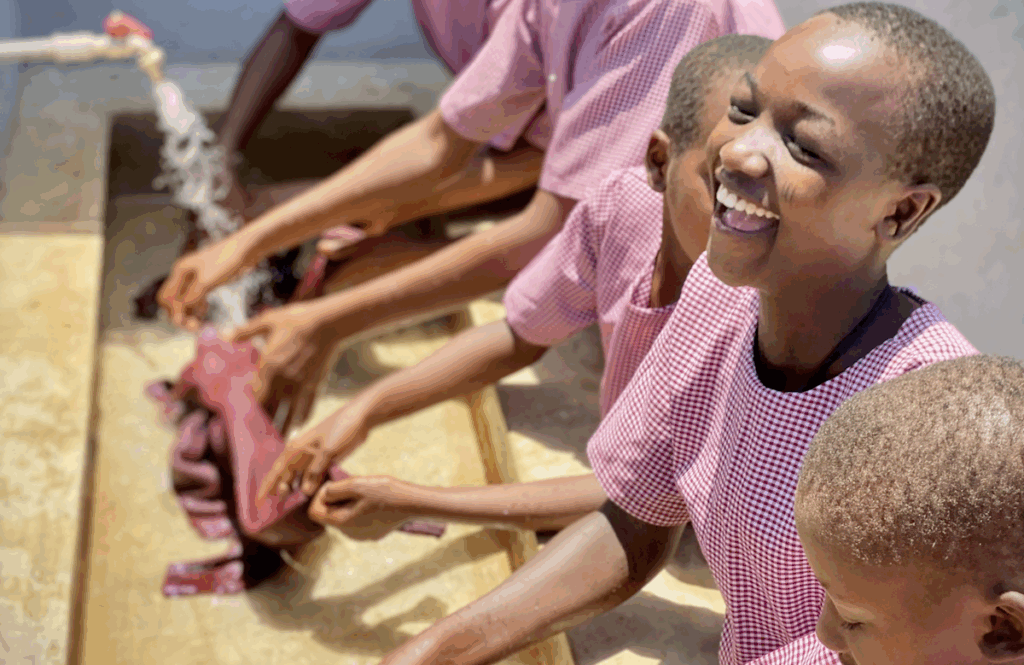
Limited access to healthcare exacerbates challenges for Maasai women, especially during childbirth in younger girls. Lack of prenatal and postnatal care contributes to high maternal and infant mortality rates.
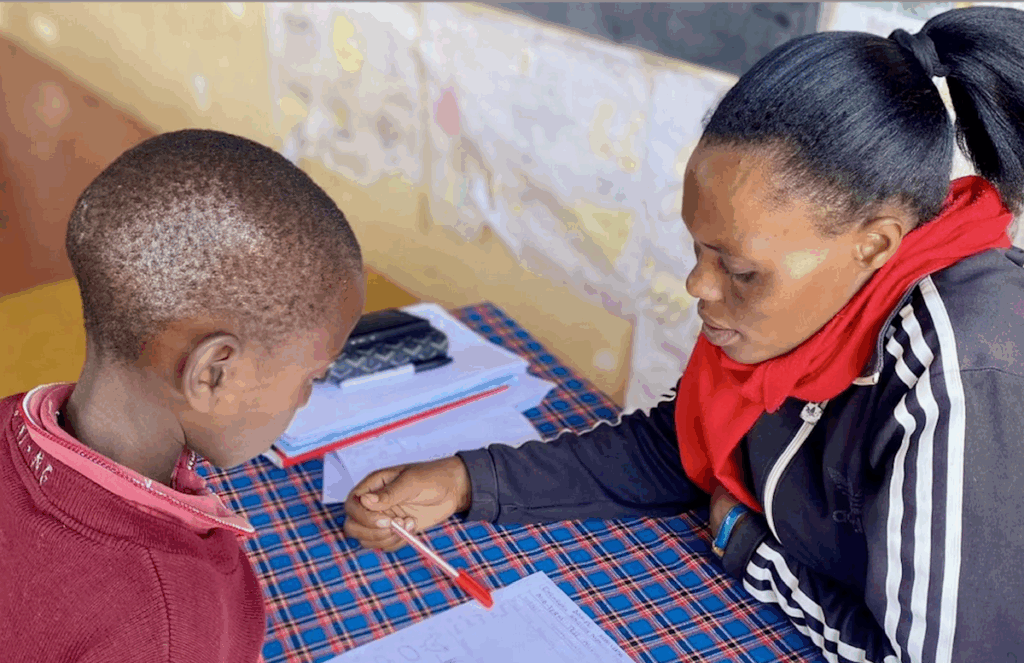

Efforts to improve opportunities and rights for Maasai girls and women are gaining momentum. Non-governmental organizations (NGOs) and local activists are challenging harmful practices and advocating for gender equality. Schools such as the Engaruka English Medium School have emerged as safe havens for Maasai girls, offering them refuge from early marriage and FGM.
Through continued education and advocacy, Maasai girls can thrive, empowered to make their decisions and contribute on equal footing.