
Maasai Culture
Maasai Culture
Preserving a legacy while adapting to modern life
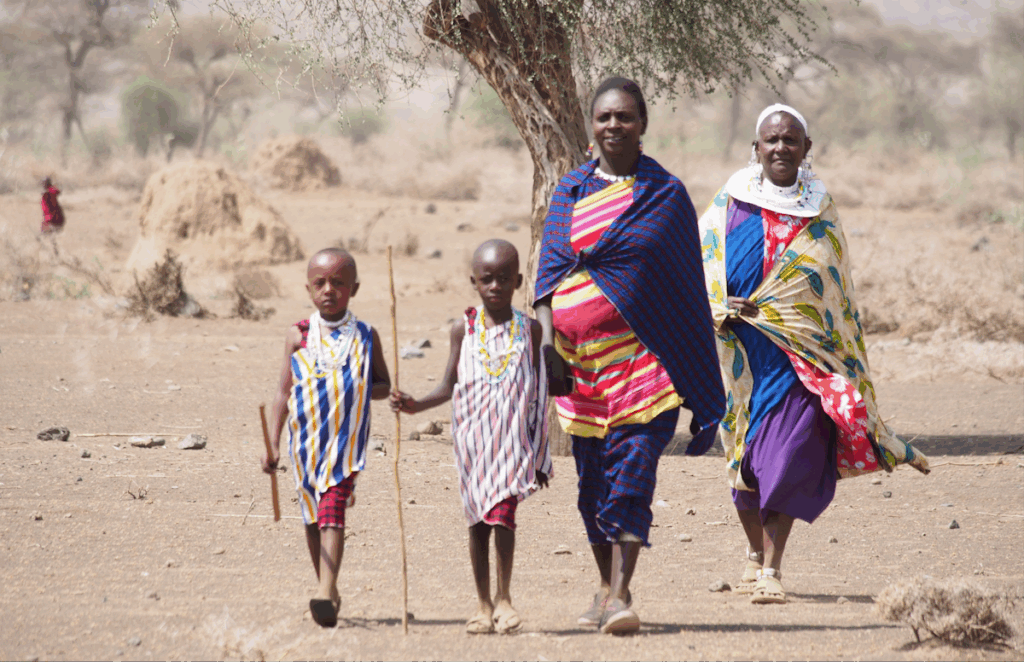
Tanzania’s Maasai people represent one of the most fascinating and resilient indigenous cultures in the world. Known for their vibrant clothing, deep-rooted traditions, and unique pastoral lifestyle, the Maasai people live primarily in Tanzania and Kenya. For centuries, they have maintained a distinct culture, despite pressures from modernization, urbanization, and economic changes.
Social Structure and the Roles of Men and Women
Maasai men have a unique social structure, grouping individuals by age for a series of life stages and responsibilities. The two most significant groups are the moran, or warriors, and the elders. The moran stage, usually from the late teens to early thirties, involves rites of passage, training in warrior skills, and gaining status within the community. Once moran have fulfilled their duties and achieved a certain age, they transition to the elder stage, where they assume more prominent roles in decision-making and community guidance.
Polygamy is a customary practice among the Maasai people, where men may marry multiple wives and often young girls decades younger. This tradition serves both cultural and practical purposes within the community. Marriages are often arranged, with cattle as part of the dowry, symbolizing wealth and strengthening familial alliances. However, polygamy faces scrutiny today, as modernization and legal frameworks challenge traditional practices across East Africa.
For Maasai women, their roles are traditionally defined by domestic responsibilities, child-rearing, and supporting the family in herding and household management.

Tanzania Education System
Following the British educational system, Tanzania offers pre-primary, compulsory primary school, optional ordinary secondary school, and two years of optional advanced secondary school.
Pre-primary school, ages 5 to 6, emphasizes early childhood development, including literacy, social and emotional learning, and health and nutrition. Public pre-primary schools are taught in Kiswahili (Swahili) while EEMPS teaches both Kiswahili and English.
Access to pre-primary education remains uneven, particularly in rural areas.
Schools face high pupil-to-teacher ratios (often as high as 131:1), shortages of qualified teachers, and limited resources. Private pre-primary schools, such as EEMPS, provide smaller classes and more resources, but many cannot afford it.
Primary school is required for all children, typically from ages 7 to 13, and emphasizes foundational skills, practical knowledge, and character development. It spans seven years, Standard I to Standard VII, and prepares students for secondary education.
Classes are taught in Kiswahili in the lower grades (Standards I-IV), while English is introduced into upper primary (Standards V-VII). Getting into a public ordinary secondary school is based on passing national exams, which are given in English.


Dress and Ornamentation
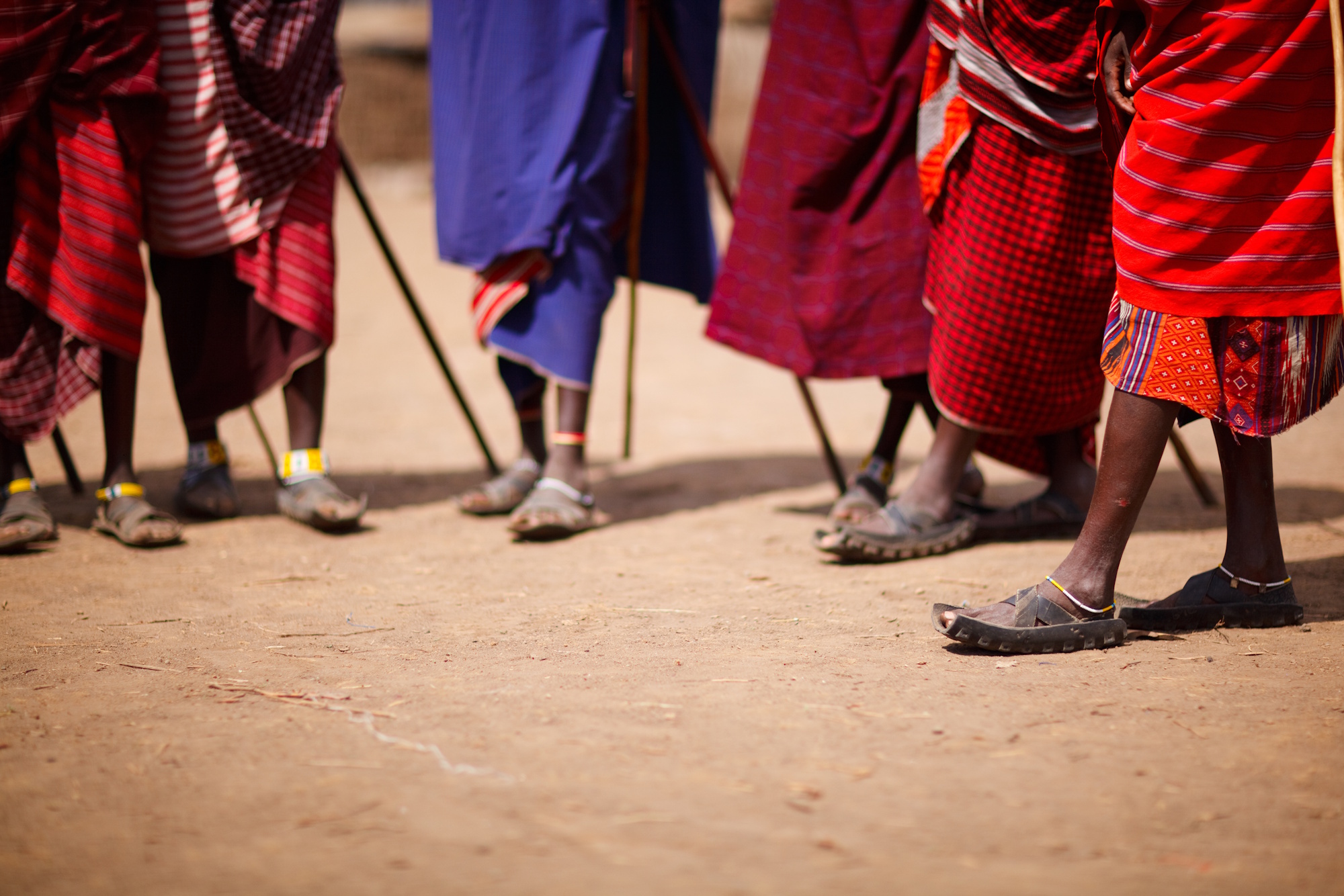
One of the most recognizable aspects of Maasai culture is their traditional dress and ornamentation. The Maasai wear distinctive shúkà, which are bright-colored robes usually in red, blue, or purple. The color red holds particular significance, symbolizing bravery, strength, and unity. The shúkà is typically adorned with beadwork and other accessories that carry cultural significance.
Beadwork is another central element of Maasai attire, with intricate designs that convey messages about the wearer’s status, age, and even marital situation. Beads are arranged in specific patterns and colors, each color representing different aspects of Maasai life—white for peace and purity, red for bravery, blue for the sky, and so on. Both men and women wear beaded necklaces, bracelets, and earrings, though women’s jewelry is often more elaborate.
Pastoralism and the Role of Cattle
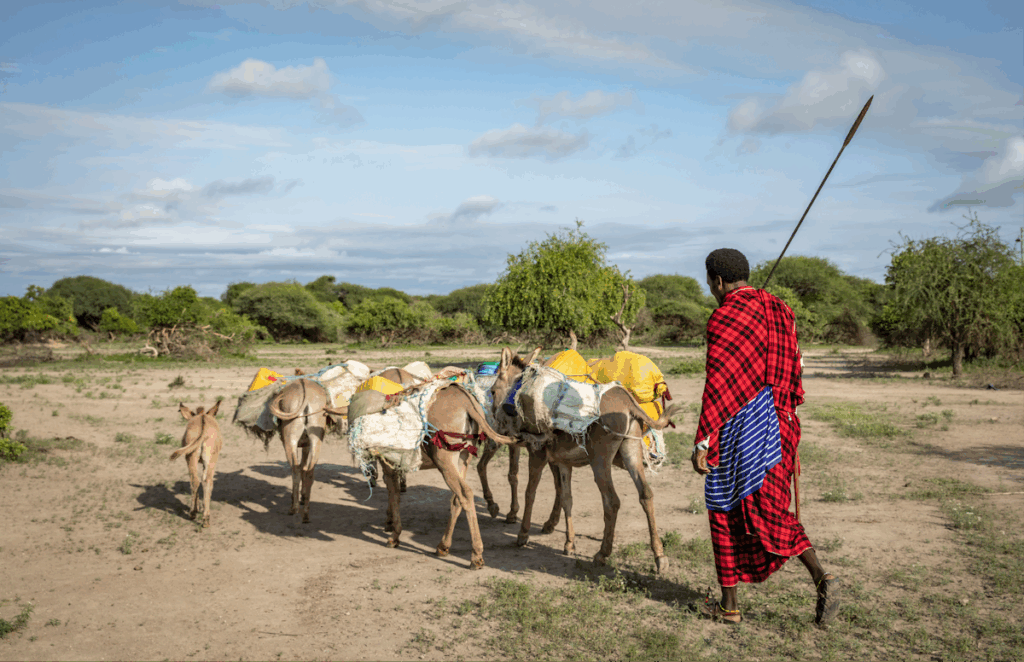
Cattle hold a place of central importance in Maasai culture, symbolizing wealth, social status, and survival. Maasai identity is closely tied to pastoralism, as cattle provide milk, meat, and hides, as well as serve as dowry payments and offerings in various ceremonies. The Maasai traditionally practice transhumance, moving with their livestock in search of pasture and water.
There is a saying among the Maasai that “Cattle are life.” Even in modern times, when many Maasai are encouraged to diversify their livelihoods, cattle remain integral to their culture and economy.
Beliefs and Spirituality
The Maasai have a monotheistic belief system centered on Enkai, a deity associated with rain, fertility, and protection. Enkai is said to reside on Mount Kilimanjaro and other significant landmarks, and his blessings are sought in rituals and ceremonies. Many Maasai ceremonies, such as those involving rainmaking or healing, are conducted by a spiritual leader known as the laibon. The laibon serves as an intermediary between the people and Enkai, offering blessings and guidance. In addition to their traditional beliefs, most Maasai are also practicing Christians or Moslems.

Traditional Rites and Ceremonies
The Maasai are known for their elaborate rites of passage, particularly those that mark transitions in life stages. Circumcision is one of the most significant rituals for young Maasai boys, as it represents their initiation into manhood. It is a public ceremony, often accompanied by singing and dancing, where the boys demonstrate bravery and resilience.
Maasai weddings are also unique, with ceremonies often lasting several days and involving community-wide celebrations. During a wedding, cows are given to the girl’s family as part of the dowry, symbolizing the union between families and the continuity of the Maasai pastoral legacy. The bride is adorned with elaborate beaded jewelry, and the entire event emphasizes the importance of family and community support.
Dance and Music
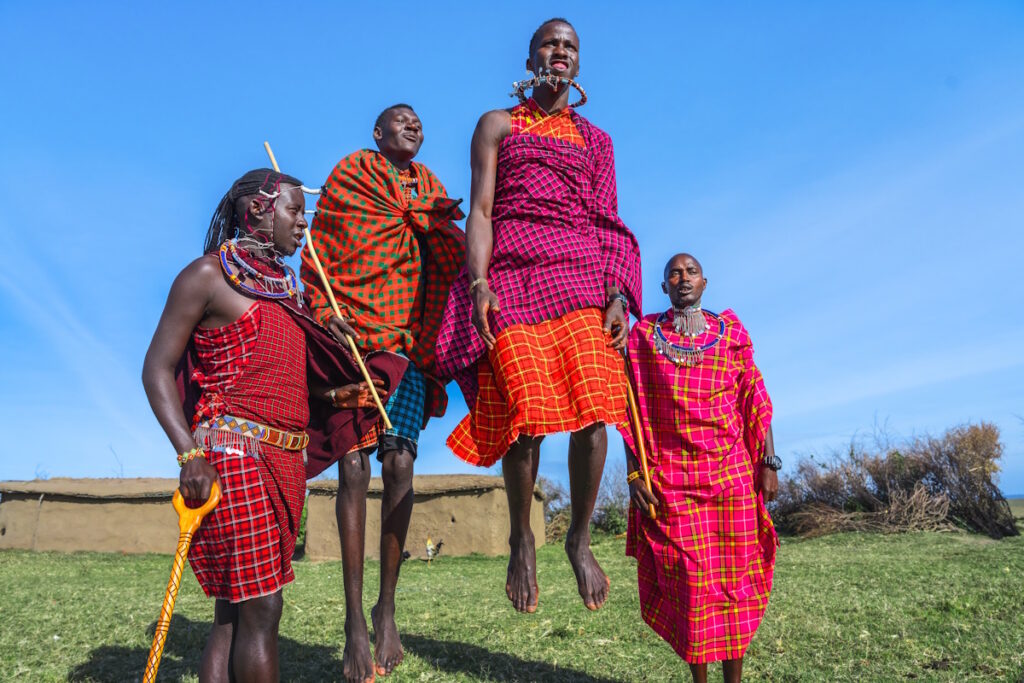
Dance and music play a significant role in Maasai culture, used not only for entertainment but also as a medium for storytelling, education, and spiritual expression. The Maasai have distinct forms of dance, such as the jumping dance (adumu) performed by moran as a demonstration of strength and stamina. Adumu involves men taking turns to jump as high as possible in a circle, with each jump symbolizing power and vitality.
Challenges Facing the Maasai Today
While the Maasai culture has endured for centuries, it faces challenges in the modern world. One of the primary issues is land encroachment, as government policies and private development have reduced the amount of land available for grazing.
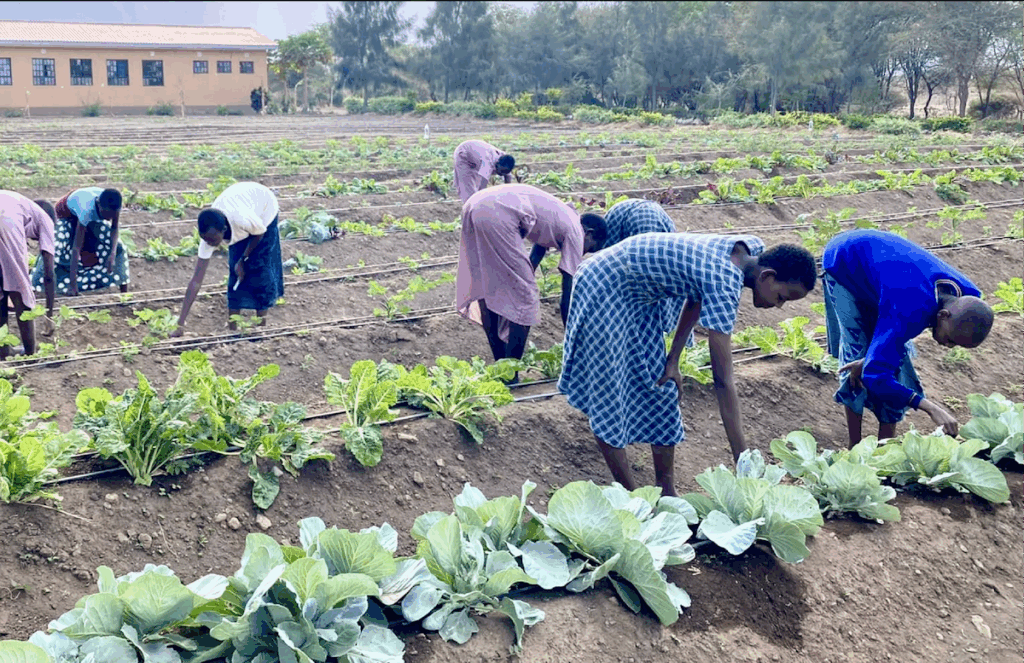
Education and healthcare are also ongoing challenges. There is an increased push toward formal education, yet this often conflicts with cultural practices. Healthcare is also limited in remote areas. Nonprofit organizations and governmental efforts are working to address these issues, but progress remains slow.
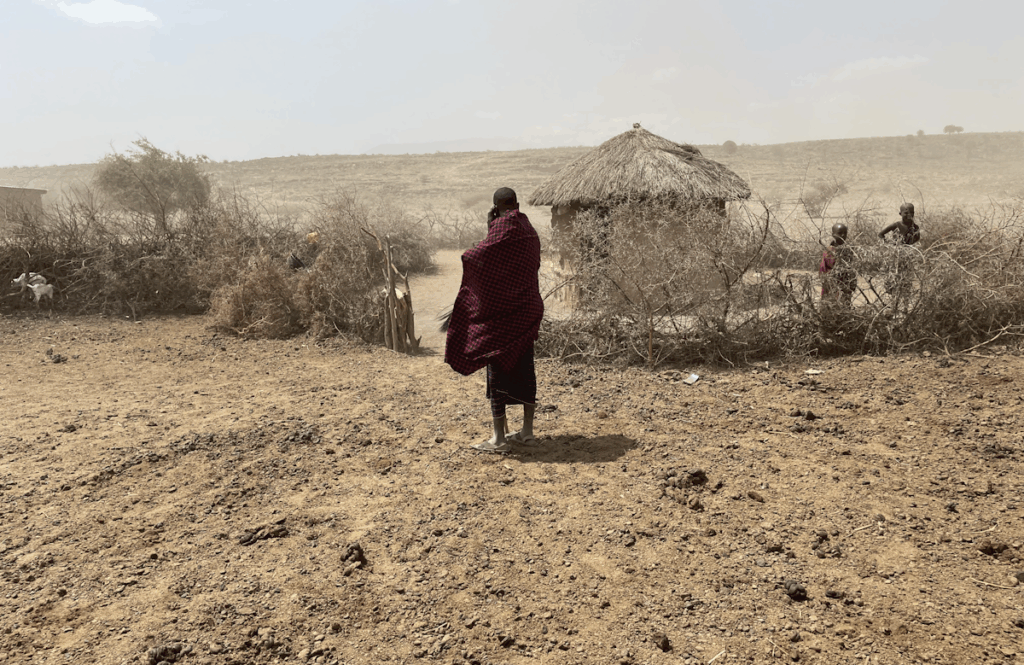
Climate change is another significant threat. As droughts become more frequent and severe, the Maasai face difficulties in maintaining their cattle herds, their primary source of livelihood.
Despite these challenges, there are various efforts aimed at preserving Maasai culture. By empowering young Maasai to preserve their heritage while gaining new skills, they can ensure the continuity of their culture.