
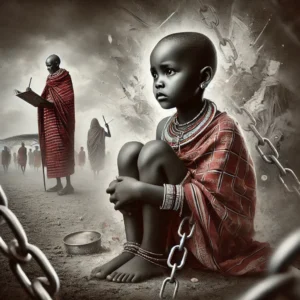
Female genital mutilation (FGM) remains a deeply ingrained cultural practice among the Maasai people of East Africa, particularly in Tanzania and Kenya. FGM refers to all procedures involving partial or total removal of the external female genitalia or other injury to the female genital organs for non-medical reasons. It is usually performed on girls between infancy and age 15, often as part of a cultural or social rite of passage. Despite legal prohibitions and growing awareness of the risks associated with FGM, it continues to be widely practiced within Maasai communities. The procedure is often seen as a rite of passage marking a girl’s transition into womanhood, and it is traditionally tied to notions of purity, social acceptance, and marriageability. For many Maasai families, undergoing FGM is an expectation that strengthens a girl’s status within her community.
FGM has significant health repercussions, both immediate and long-term. The procedure, typically performed without anesthesia and in unsanitary conditions, can lead to severe pain, infection, excessive bleeding, and even death. Long-term effects include chronic pain, complications during childbirth, and psychological trauma. Many Maasai girls experience pressure to undergo the practice at a young age, often around puberty, and are subsequently expected to leave school and marry, which significantly limits their educational and economic opportunities.
Efforts to eradicate FGM within the Maasai community have gained momentum in recent years. Local NGOs, community leaders, and survivors are increasingly advocating for alternative rites of passage that celebrate Maasai cultural identity without causing harm. These alternative rites encourage education and empower young girls to pursue a future that is not restricted by early marriage or health complications resulting from FGM.
While the journey toward eliminating FGM among the Maasai is challenging, community-based initiatives that respect cultural values while promoting the health and rights of young girls are beginning to make a difference. The work of activists within Maasai communities is critical, fostering a gradual but impactful shift in attitudes towards FGM and enhancing opportunities for future generations.
Girls attending EEMPS and their parents are educated about the dangers and legality of FGM in Tanzania by school staff. The school’s FGM education efforts are directed by Martha Ole Misiko, the EEMPS school manager and ENCO executive director. The school’s goal is 100% elimination of new incidences of FGM for our girls and their siblings.